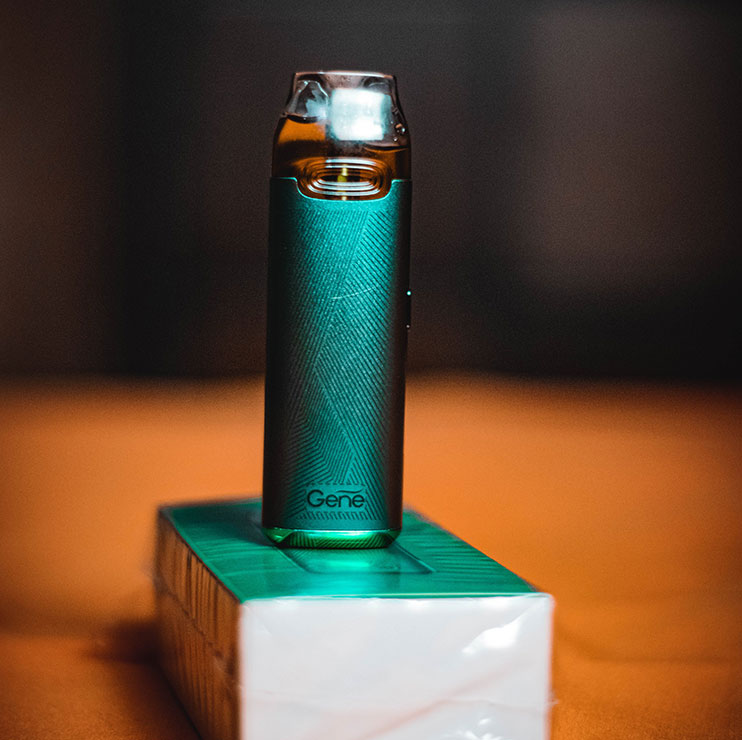
Why Lighting Is the Secret Sauce for Stunning Visuals!
Why Lighting Is the Secret Sauce for Stunning Visuals!
When it comes to 3D visuals, many people think about the design, colors, or even the shapes of the products. But what if I told you that the real magic often happens behind the scenes with something as simple as lighting? As a professional in the 3D space, I can confidently say that lighting is the secret sauce that transforms good visuals into stunning ones—especially in product marketing. Let’s dive into why lighting is crucial and how it can elevate your visuals to a whole new level.
The Role of Lighting in 3D Visuals
What Is Lighting in 3D Rendering?
In the world of 3D rendering, lighting refers to the simulated light sources you set up in your scene. Think of it like stage lighting for a play—it can create mood, highlight certain features, and guide the viewer’s eye. There are various types of lighting—ambient, directional, spot, and area lights, each serving a different purpose in bringing your visuals to life.
Why Lighting Matters
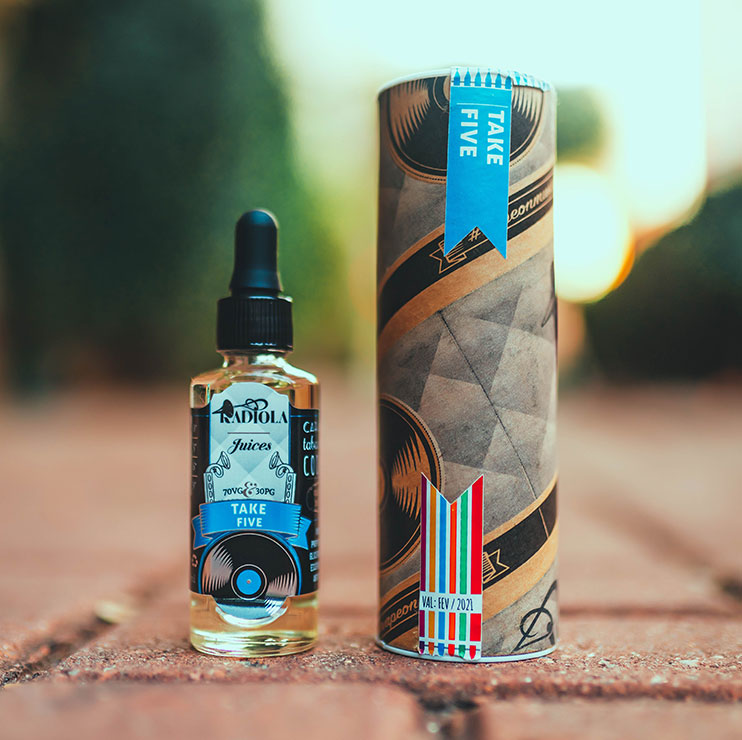
Lighting isn’t just about making things bright; it fundamentally affects how people perceive your products. Have you ever walked into a store and felt drawn to a particular item simply because of the way it was lit? The right lighting can evoke feelings of warmth, excitement, or even luxury. In the same way, effective lighting in your 3D visuals can transform how your audience connects with your product.
Enhancing Product Features with Lighting
Highlighting Textures and Materials
One of my favorite aspects of working with lighting is its ability to highlight textures. I remember working on a project for a high-end watch brand. By strategically positioning lights, we showcased the intricate details of the watch’s face and the sheen of the metal. It wasn’t just about making the watch look good; it was about communicating quality and craftsmanship.
Lighting adds depth and realism that can make a flat image feel three-dimensional. When potential customers see those subtle reflections and highlights, they can better appreciate what sets your product apart from the competition.
Setting the Scene for Storytelling
Lighting can also help tell a story. Imagine showcasing a cozy coffee maker in a sunlit kitchen. Warm, soft lighting can create a welcoming atmosphere that invites viewers to envision themselves brewing a fresh cup of coffee.
Conversely, if you’re marketing a sleek, modern blender, cool, bright lighting can give it an energetic, cutting-edge feel. It’s all about creating the right context to enhance your product’s appeal.

The Impact of Lighting on Brand Image
Consistency in Brand Messaging
Lighting can significantly influence how your brand is perceived. I once worked with a tech startup that wanted a sleek and modern look. By using cool lighting tones and minimal shadows, we created visuals that matched their brand identity perfectly. Consistency in your lighting style can help establish a recognizable brand image that resonates with your audience.
Successful Brands and Their Lighting Choices
Take Apple, for example. Their product visuals often feature clean, bright lighting that highlights the sleekness and sophistication of their devices. This consistent approach reinforces their brand image as a leader in innovation and quality. By studying how successful brands utilize lighting, you can find inspiration for your own marketing strategies.
Common Lighting Mistakes to Avoid
Overly Harsh or Soft Lighting
One of the biggest pitfalls is getting the lighting wrong—too harsh, and your product may look unappealing; too soft, and it can lose its details. I remember a project where we used overly soft lighting on a luxury handbag. While the visuals looked beautiful, we lost important details that conveyed the handbag’s quality. A careful balance is essential.
Neglecting Shadows and Highlights
Shadows and highlights can be your best friends when it comes to creating depth. Avoiding shadows altogether can make your visuals look flat. Think of how a little shadow under an object can ground it and make it appear more realistic. Use shadows strategically to add dimension and intrigue.
Misalignment with Brand Identity
Another mistake is not aligning your lighting choices with your brand identity. If your brand is about eco-friendliness and natural products, harsh artificial lighting might send mixed signals. Always consider how your lighting choices reflect your overall brand message.
Best Practices for Implementing Effective Lighting
Choosing the Right Lighting Setup
Choosing the right lighting setup can feel overwhelming, but here are a few tips that have worked well for me:
- Start Simple: Use basic lighting setups to get familiar with how different lights interact. You can always add complexity later.
- Experiment: Don’t hesitate to play around with different lighting angles and intensities. Sometimes the best looks come from experimentation.
- Learn from Others: Look at the work of other professionals for inspiration. Analyze what lighting techniques they used and how it impacts the final visual.
Utilizing Software Tools
Many 3D software programs offer built-in lighting tools and presets that can save time while achieving stunning results. Familiarize yourself with these tools to streamline your workflow. I often rely on software like 3d Max, Cinema 4d, Octane Render Engine, VRAY Render, Corona Render, Twinmotion, and Unreal Game Engine, which provides comprehensive lighting options that allow for both creativity and precision.
Collaborating with 3D Experts
If you’re unsure where to start, consider collaborating with 3D experts who specialize in lighting. They can provide valuable insights and help you avoid common pitfalls. I’ve seen firsthand how a fresh perspective can elevate a project from ordinary to extraordinary.
Conclusion
In the competitive world of product marketing, lighting is often the unsung hero that can make or break your visuals. By carefully considering your lighting choices, you can enhance textures, set the mood, and communicate your brand’s identity effectively.
So, if you’re looking to elevate your 3D visuals, don’t underestimate the power of lighting. It’s not just about what you see; it’s about how you light it.
If you have questions or want to brainstorm ideas, feel free to reach out. Together, we can create visuals that captivate and convert!