Why Texturing Is the Game-Changer in 3D Rendering!
Why Texturing Is the Game-Changer in 3D Rendering!
When it comes to 3D product rendering, there’s one crucial element that often gets overlooked: texturing. You might be wondering, “What’s the big deal about textures?” Well, let me tell you—texturing is not just an afterthought; it’s a game-changer that can dramatically elevate your marketing efforts. As someone who has worked in 3D rendering for years, I’ve seen firsthand how effective texturing can transform a good render into a truly captivating visual experience. Let’s dive into why texturing is so important and how it can make a real impact on your business.
Understanding Texturing in 3D Product Rendering
What Is Texturing?
At its core, texturing involves applying images (textures) to 3D models to give them a more realistic appearance. Think of it as the paint and wallpaper for your virtual creations. Without proper texturing, even the most beautifully modeled object can look flat and unappealing.
Types of Textures
There are several types of textures used in 3D rendering:
- Diffuse Maps: These provide the base color of the model.
- Bump Maps: These create the illusion of depth on a surface, making it appear more detailed.
- Normal Maps: Similar to bump maps, but they provide more intricate details, allowing for more complex surface appearances.
- Specular Maps: These control how shiny or reflective a surface is, adding realism to materials like metal or glass.
Each type plays a vital role in enhancing the final output.
Integration in the Workflow
Texturing fits into the broader workflow of 3D rendering, typically following the modeling phase. After a model is created, texturing brings it to life. It’s an essential step that should not be rushed, as the quality of the textures can make or break the final render.
The Role of Texturing in Visual Appeal
Enhancing Realism
One of the primary benefits of effective texturing is that it enhances realism. When potential customers see a 3D render that closely resembles a real product, they’re more likely to engage with it. For instance, I once worked on a project for a high-end furniture brand. By meticulously texturing the wood grain and fabric with Substance Painter, we were able to create a render that not only looked beautiful but felt tangible. This attention to detail helped the brand showcase its products effectively and resonate with its audience.
Material Simulation
Textures help simulate different materials—whether it’s the sheen of a metal surface or the soft texture of fabric. The ability to accurately represent materials can greatly influence how customers perceive a product. Imagine you’re shopping for a new sofa online. If the fabric looks realistic and inviting, you’re far more likely to feel drawn to it. This is the magic of texturing in action!
Case Study
Let’s take a look at a successful campaign by a tech company that utilized effective texturing. They launched a new smartphone and produced 3D renders showcasing the device from multiple angles. By applying high-quality textures that mimicked the glass and metal finishes, they created a visual experience that felt both premium and desirable. The campaign resulted in significant buzz and increased pre-orders, all thanks to the compelling visuals.
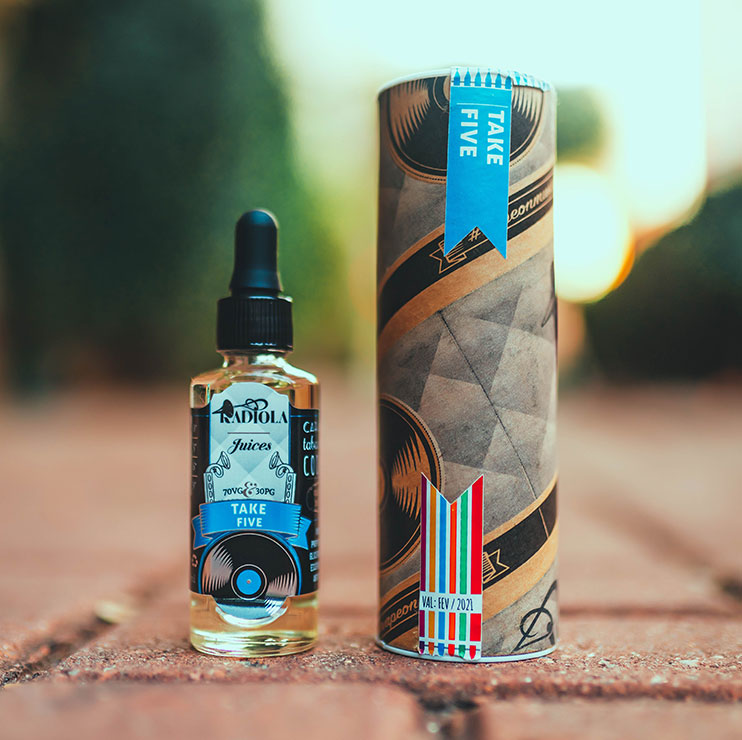


Texturing and Consumer Engagement
Captivating Audiences
High-quality textures can capture attention like nothing else. In a world where consumers are bombarded with information, a visually striking render can cut through the noise. I recall attending a trade show where a booth featured stunning 3D renders of their products. The textures were so lifelike that people couldn’t help but stop and admire them. This engagement translated into numerous leads and eventual sales.
Influencing Consumer Perception
How a product looks can directly impact consumer perception. A well-textured render conveys quality and attention to detail, fostering trust. I remember working with a startup that wanted to present their new line of eco-friendly kitchen gadgets. By using textures that highlighted the sustainable materials, we were able to craft a narrative of quality and responsibility. The positive consumer response was palpable.
Personal Anecdote
During my early days in 3D rendering, I worked on a project for a skincare brand. We had a beautiful product, but the initial renders lacked compelling textures. After diving into texturing, we added intricate details that mimicked the product’s packaging and labels. The difference was astounding! The final renders not only looked stunning but also led to a significant increase in social media engagement.
Technical Aspects of Texturing in Marketing
Tools and Software
When it comes to texturing, several tools can help you achieve top-notch results. Software like Substance Painter and Blender are popular choices among 3D artists. These tools offer advanced features that allow for detailed texture creation and manipulation, ensuring your models look their best.
Best Practices for Marketers
To get the most out of your texturing efforts, consider these best practices:
- Maintain Consistency: Ensure that the textures align with your brand’s visual identity.
- High Resolution: Use high-resolution textures to avoid pixelation and maintain clarity.
- Test Renders: Always test renders in different lighting conditions to see how textures behave.
Common Challenges
One challenge many face is achieving realism without overcomplicating the process. Too many textures can make a model look cluttered. Striking the right balance is key. Don’t hesitate to experiment and adjust until you find that sweet spot.
The Business Value of Quality Texturing
Competitive Edge
In today’s crowded marketplace, standing out is crucial. Quality texturing can give your brand that competitive edge. If your visuals look better than the competition’s, you’re more likely to attract customers. A well-textured render can elevate your product above others, making it more appealing.
ROI of Texturing
Investing in quality texturing can yield a strong return on investment. Businesses that prioritize high-quality visuals often see improved engagement rates and, ultimately, sales. Take the time to analyze how your visual content performs; you might be surprised by the numbers.
Long-Term Benefits
Quality texturing isn’t just about the immediate impact; it offers long-term value. Well-executed textures can enhance your product images across various platforms—be it your website, social media, or marketing materials—providing lasting benefits for your brand.
Getting Started with Effective Texturing
Choosing the Right Partner
If you’re looking to elevate your 3D rendering with effective texturing, choosing the right partner is crucial. Look for professionals who have a strong portfolio and experience in your industry. The right collaboration can lead to incredible results.
Defining Objectives
Before starting a project, clearly define your objectives. What do you want your texturing to achieve? This clarity will guide your decisions and help you communicate your vision effectively.
Budgeting for Texturing
Quality texturing may require an investment, but think of it as a long-term strategy. Budget for it appropriately, understanding that the results will pay off in terms of customer engagement and brand perception.
Conclusion
In summary, texturing is a game-changer in the realm of 3D rendering, particularly for marketing. Its ability to enhance realism, engage consumers, and influence perceptions cannot be overstated. By investing in quality texturing, you’re not just improving your visuals; you’re elevating your entire brand experience.
So, if you’re ready to captivate your audience and take your marketing to the next level, consider how texturing can transform your 3D product renders. Let’s bring your ideas to life and create visuals that resonate with your customers! If you have questions or want to explore how we can help, feel free to reach out!